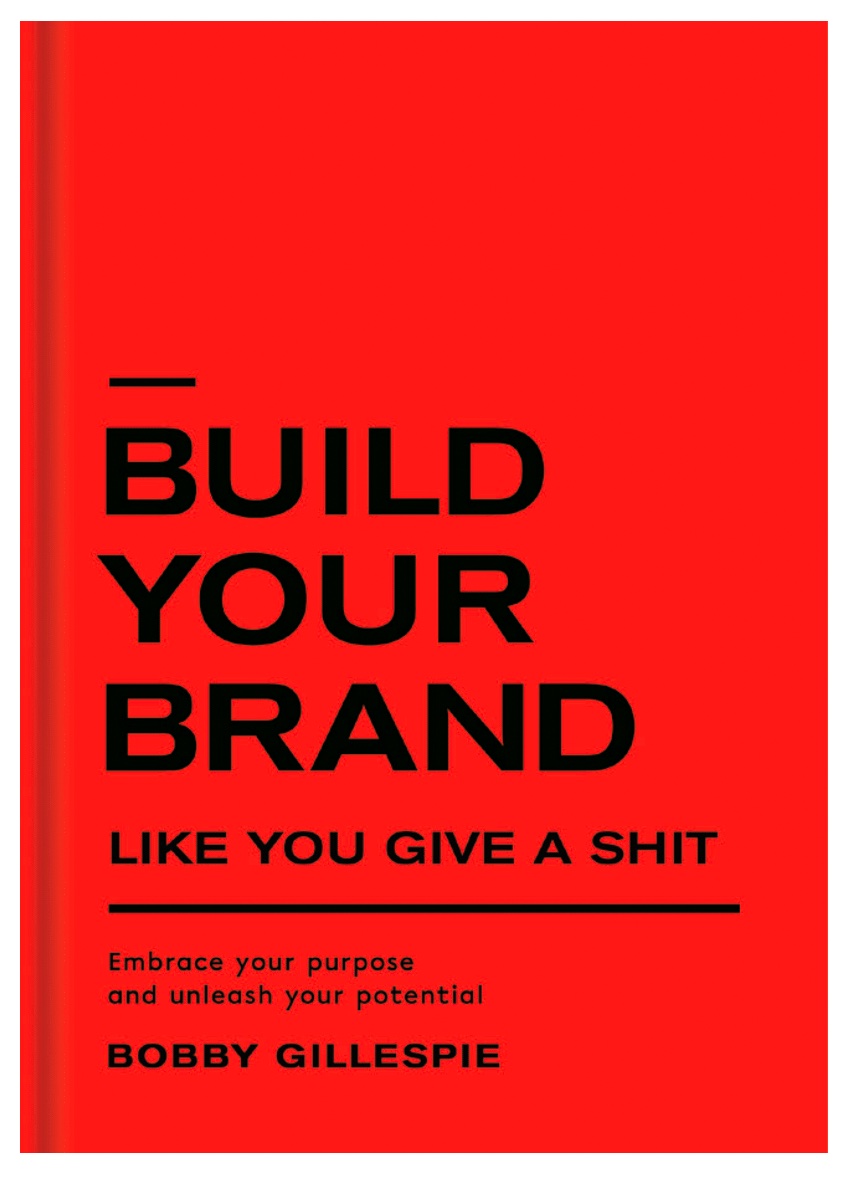
If you’re like me, you’re exhausted and turned off by the fetishization of technology like AI, and the incessant content spewing out on LinkedIn about AI this, AI that. I get it, but trust me, keep going. This article has value through saving time, saving money, and continuing the Optimization of Aspirations™, AKA legit and consistent brand strategy and growth.
And this will be short & concise & actionable. Shoutout to Kate O’Neil, the Human Technologist, for tagging me on her latest fantastic podcast episode, which spawned this concept. Watch it here.
Step 1: Define Your Brand Positioning and Personality
Start by clearly defining your brand positioning and personality. Identify what truly differentiates your brand—what makes it distinct, defensible, and uniquely yours. This applies to every business, from SMEs to mega-brands. Clarify the personality traits, tone of voice, vibe, and high-level brand guidelines that shape how your brand should show up everywhere.
Step 2: Make It Concise
Distill all of this into a brief, practical document—ideally two pages. If you need 80 pages to explain your brand, you don’t have a brand problem; you have a clarity problem.
Callout
- Brand agencies: stop handing clients 80-page brand guidelines. They’re useless in real-world execution, and no one is impressed.
- Brand leaders: stop accepting them. You never reference them, and they don’t align with your brand strategy.
Step 3: Use AI to Reality-Check Your Brand
Next, go to your AI tool of choice, inspired by a smart tip from Neil Patel, and ask:
- “Who is [Brand Name]?”
- “What does [Brand Name] do?”
- “Who is [Brand Name] a good fit for?”
Record the results as your baseline. Compare those answers with your Step 1 brand platform.
With this foundation, you can now evaluate how well the outside world—and AI, which reflects public perception—understands your brand. These insights help your strategy team prioritize the work required to align your brand across every channel and continue the ongoing Optimization of Aspirations™.
Step 4: Build Your AI “Brand Police” Model
Here’s the gold.
Create a custom GPT model that serves as your brand’s internal quality-control system—your “brand police.” I coined this concept about ten years ago: a designated person (or now, an AI model) responsible for safeguarding brand integrity across cross-functional teams, vendors, and partners. Without brand governance, things get weird fast. Consistency fuels brand growth and strengthens all marketing and sales efforts.
Name your model whatever you want. Upload the guidelines and documents from Step 1, then train the model to enforce them. And remember: AI is not human. It only knows what you give it. Teach it what to avoid. Correct it relentlessly until the outputs accurately and consistently reflect your brand.
When it’s dialed in, distribute the model to everyone involved—internal teams, agencies, vendors, partners, even stakeholders and shareholders. Establish a simple process: before anyone writes, designs, publishes, or responds to anything, they run it through the brand model. This alone will dramatically improve consistency, accuracy, and brand trust.
Wrapping It Up
This process is ultimately about empowerment and consistency, not replacing humans. We still need talented people to write, design, create strategies, and evaluate the quality of AI outputs. Humans remain the only constant in every business, and anything that increases our effectiveness in building authentic connections with human audiences is a win. When you combine human judgment with the AI tools available today, you do not just work smarter, you elevate the entire brand experience.
I Can Help
If you want a partner to guide you through this process, refine your positioning, and build a custom AI brand model that actually works, I am here to help. Reach out, and let’s strengthen your brand together.
Feed Your Mind
What I’m Listening To:
One of my clients started our weekly call by asking if I ever listen to De La Soul. Bro, you better act like you know. I love De La. After my rant about how lawyers ruined DJ sampling back in the day, he turned me on to a new album drop I wasn’t aware of. And I listened to that a bunch this week. RIP Trugoy AKA Plug 2. I was surprised to hear they carried on without him. Groups like The Beastie Boys and Tribe Called Quest ended when a founding member passed. No judging, because this album is excellent. It’s no 3 Feet High (because it is peerless), but I’ll be damned, some of these tracks sound like J Dilla made the beats. RIP Dilla.
My oldest takes art classes. While I was driving her down this week, I introduced her to the New York Dolls. RIP to the whole band. If you’re unfamiliar, start at the beginning (linked below). If you know the Dolls, it might be time to rock out again with the gang.

What I’m Reading:
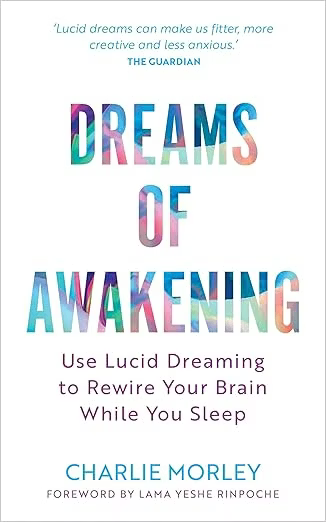
Dreams of Awakening: Use Lucid Dreaming to Rewire Your Brain While You Sleep by Charlie Morley
Ever since I was a teenager, dreams have fascinated me. Maybe it’s because I have super vivid dreams and have experienced more than a few lucid ones over the years. When I was in LA recently, my friend and colleague Michaela Wilson told me to pick this up. So far, the book has me enthralled. I know most of us want better sleep, and my work with Aires shows how much better sleep unites all of us (who doesn’t want better sleep?). But pairing better sleep with inner-child work keeps me turning page after page in this fascinating book. I’ll report back as I move through the text and my experiments with lucid dreaming.
What’s your experience with vivid and lucid dreaming?
I remember one dream I had over and over as a kid, a dream that eventually became a regular lucid dream. My parents left me alone in the house while they walked out with both my brother and sister (I’m the middle child). I ran to the pitch-black basement. The shadows reached out, grabbed me, and twisted me up like I was Gumby. Eventually, I realized I was dreaming and started altering the dream however I wanted, which ended the terror of being left alone and attacked by monsters. I still had the dream from time to time, but I recognized it right away and played it out like a script, knowing exactly what would happen, and the fear and lack of control flipped into excitement.